Water-Soluble vs Alcohol-Soluble Propolis: Which One Fits Your Formulation?
Raw bee propolis is naturally resinous and only partly soluble in water. To make it formulator-friendly, manufacturers refine it into two families — and choosing between them shapes everything downstream: your label, your process and even your target market.
How each type is made
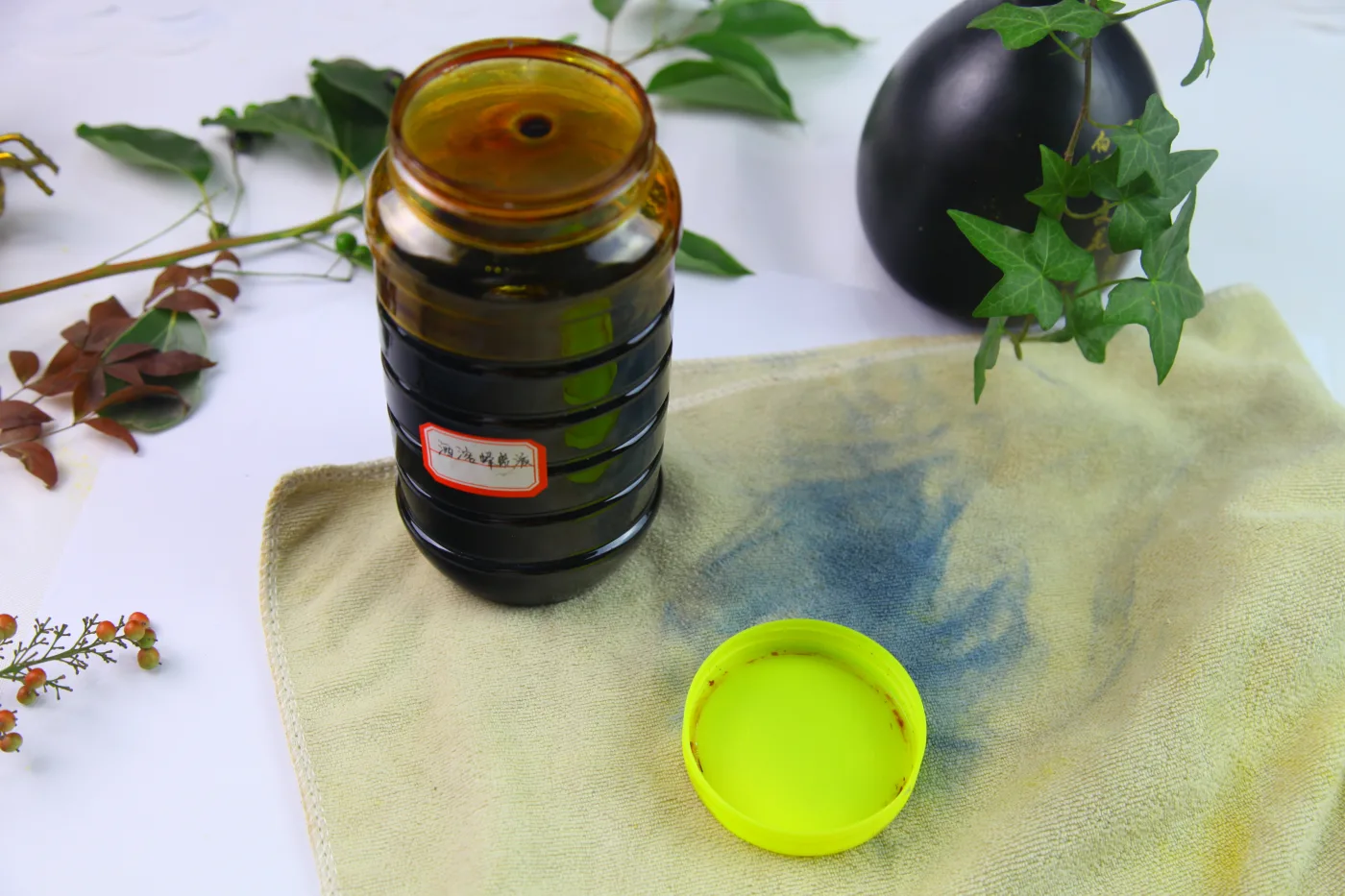
Alcohol-soluble propolis is extracted with food-grade ethanol. This is the classic method: it pulls out the resin, flavonoids and phenolic acids efficiently, giving the most concentrated classic extract. Ethanol remains the carrier in liquid products, or is dried off in powder formats on a carrier.
Water-soluble propolis starts from purified extract that is further processed to disperse in water. The actives are retained, but the formulation no longer depends on ethanol — which matters for children's products, sprays, beverages and markets where alcohol-free is a selling point.
A quick decision guide
- Tinctures, drops, throat sprays with "classic" positioning → alcohol-soluble extract (liquid or powder).
- Alcohol-free drops, syrups, gummies, beverages → water-soluble powder or liquid.
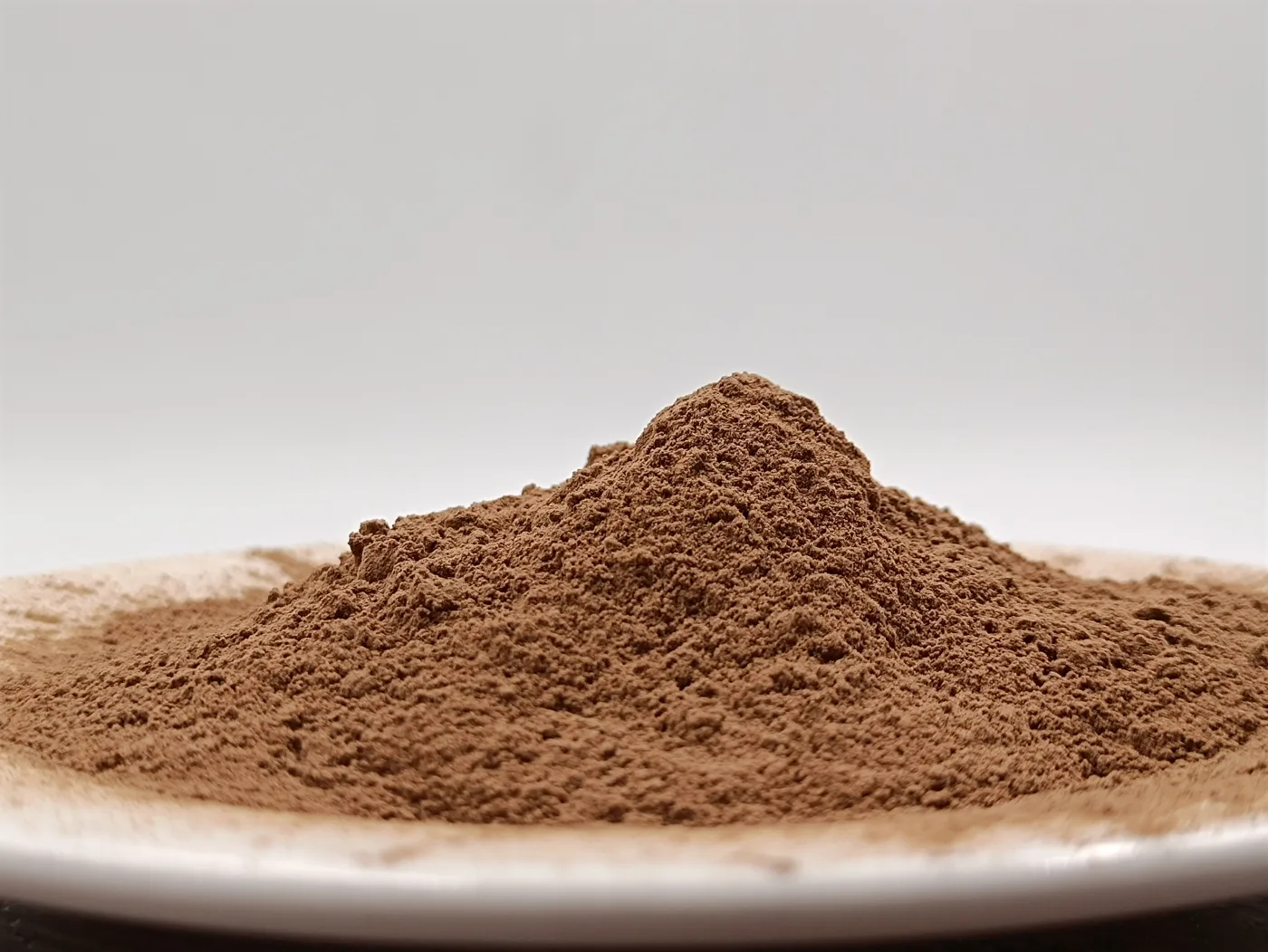
- Capsules and tablets → either works; powder formats (both types) fill accurately and store for 24 months.
- Cosmetics → water-soluble for emulsions and gels; alcohol-soluble where a tincture base is acceptable.
What to specify with your supplier
- Solubility type and format (liquid / powder, purified or on carrier)
- Propolis content — powders commonly run 30% to 70%
- The COA: flavonoid content and heavy-metal screening results for your actual batch
One practical note: water-soluble does not mean "weaker". It means the extract has been processed so the same actives disperse in your aqueous system. Compare grades by propolis content and COA, not by which sounds stronger.
BEE HIVE produces both families — purified propolis, extract liquids and powders from 30% to 70%. Ask Bruins for samples of each to run side-by-side in your formulation.