Royal Jelly 10-HDA Explained: Fresh vs Freeze-Dried Powder Grades
Ask any serious royal jelly buyer about specification and one abbreviation comes up immediately: 10-HDA. Understanding this marker — and the fresh-vs-freeze-dried trade-off — is the key to buying royal jelly well.
What is 10-HDA?
10-HDA (trans-10-hydroxy-2-decenoic acid), often called "queen acid", is a fatty acid unique to royal jelly. It is the industry's standard activity marker: grades are defined and certified by their 10-HDA content, verified by lab analysis on every batch.
Fresh royal jelly
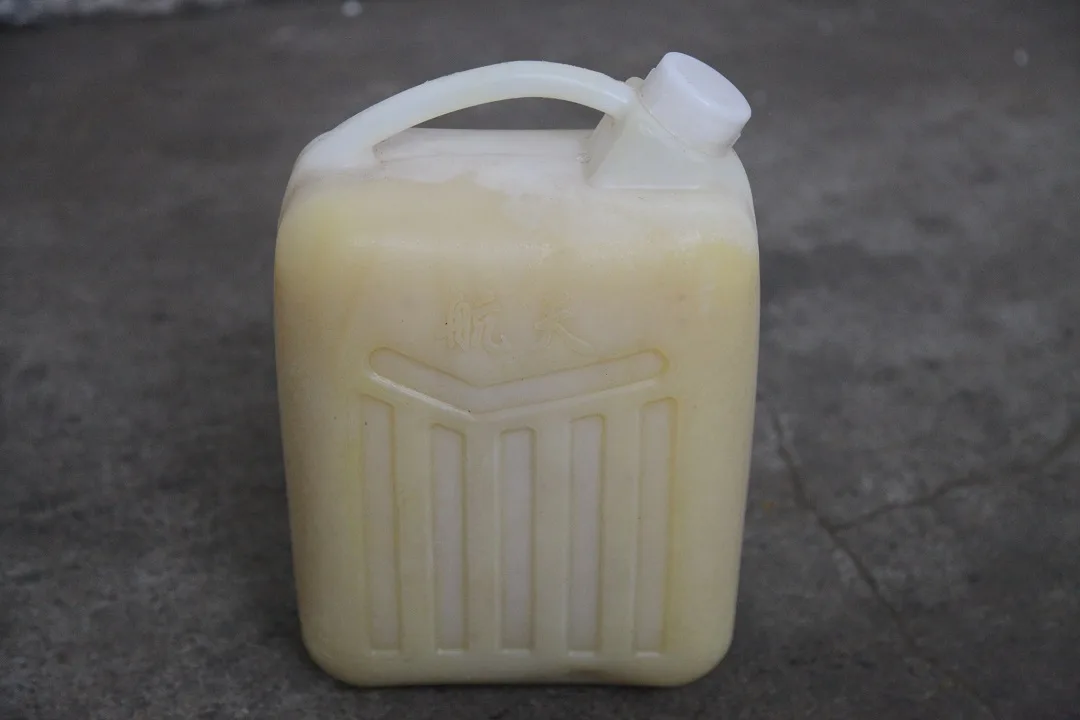
Fresh jelly is the raw secretion — milky-white, tangy, and delicate. It must be filtered and frozen quickly (we work at -18°C) and shipped cold. Grades run from 10-HDA 1.0% to 2.0% in six standard steps (1.0/1.2/1.4/1.6/1.8/2.0%). Choose fresh when your product story demands "raw" — premium retail, honey-blends, domestic-pack brands with cold-chain capability.
Freeze-dried powder
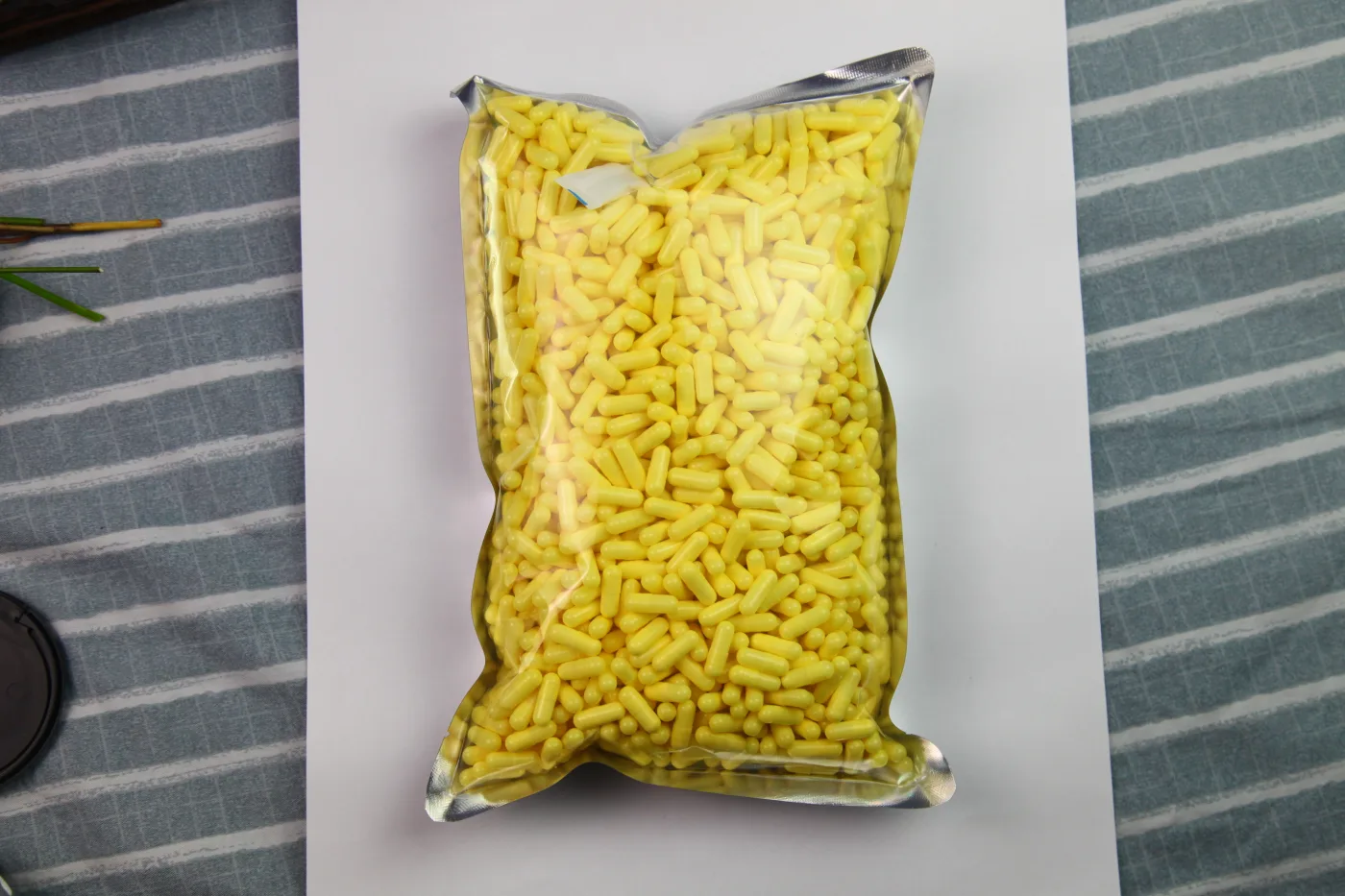
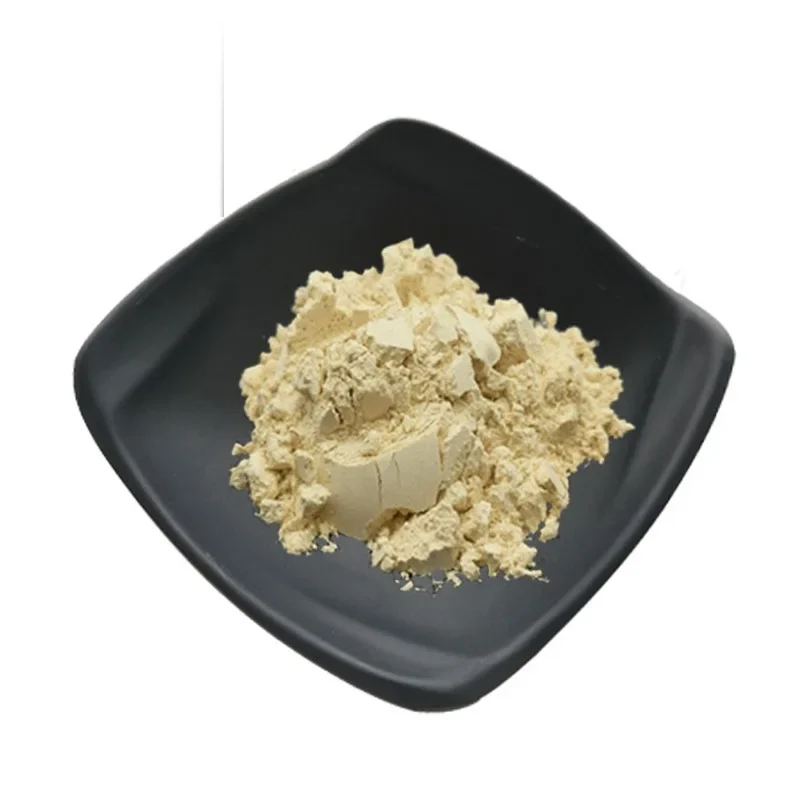
Vacuum freeze-drying removes water (typically a 3:1 concentration versus fresh) while preserving the 10-HDA and nutrient profile. The result is a stable powder that stores and ships at room temperature in six standard grades: 1.0/2.0/3.0/4.0/5.0/6.0%. Most capsule and tablet brands standardize here — logistics are dramatically simpler and dosing is precise.
What to check on the COA
- 10-HDA content (the grade you ordered, on your actual batch)
- Protein and moisture (fresh) or moisture and carrier (powder)
- Heavy-metal screening against your destination limits
Common pitfalls
- Comparing prices across grades — 3.0% and 1.8% powders are different products.
- Buying fresh without a cold-chain plan — quality is lost in the first unrefrigerated week.
- Assuming seasonality does not matter — fresh jelly production follows the beekeeping season; plan volumes ahead.
We supply both formats with certified 10-HDA, from Henan apiaries and partner farms. Ask Bruins for current-season availability and COA samples.