Propolis Powder Grades Explained: 30%–70% and How to Choose
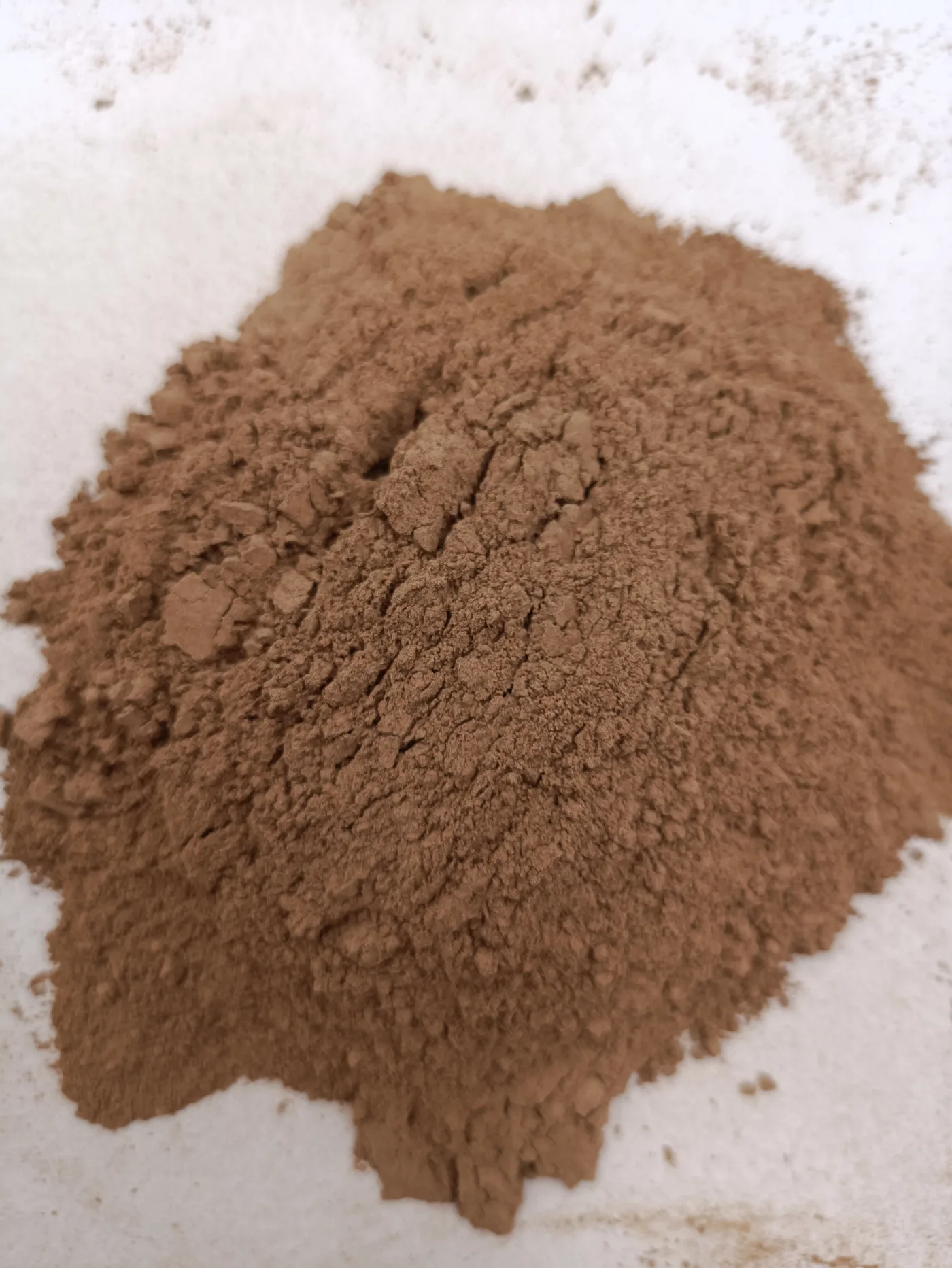
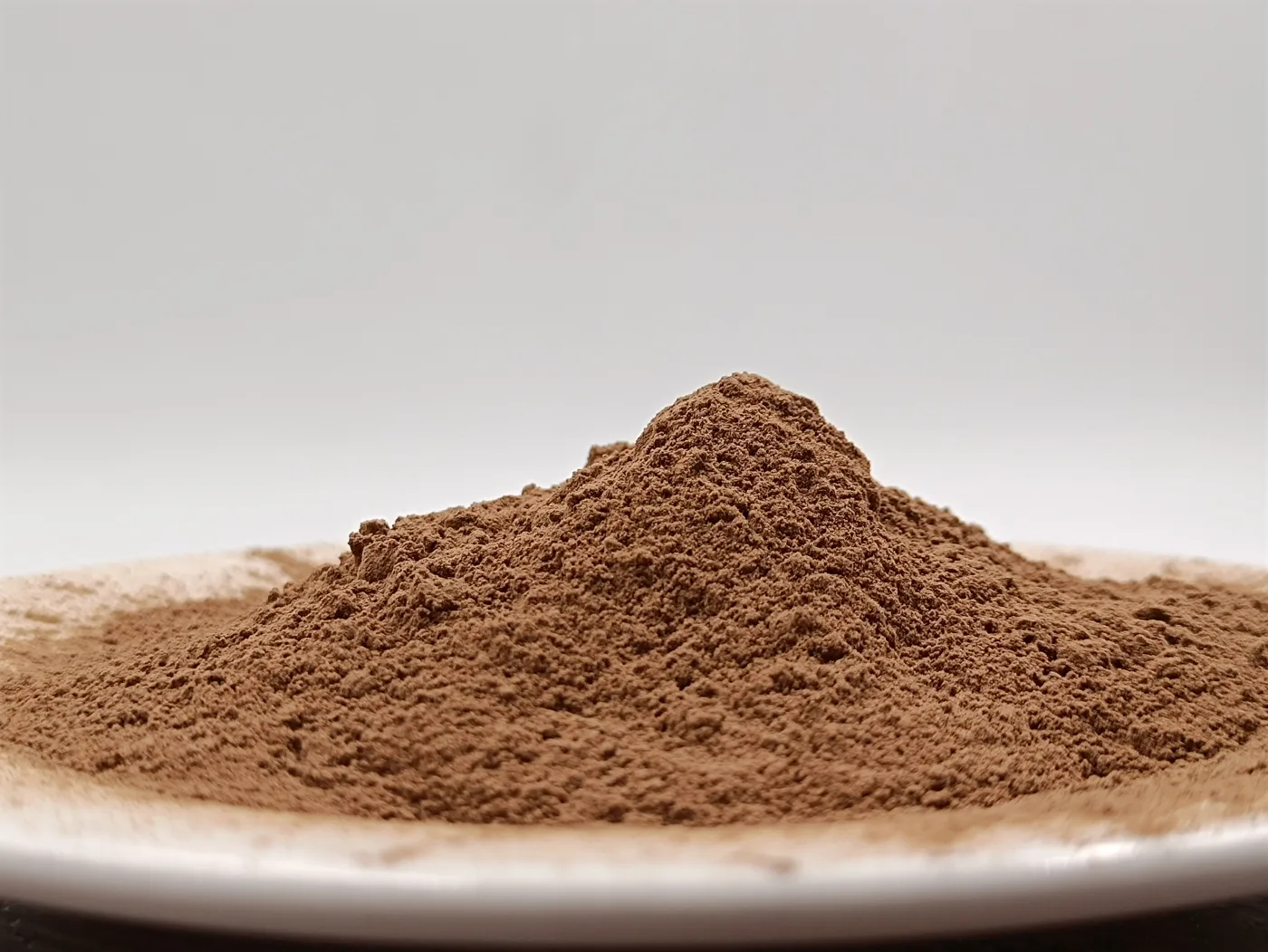
Propolis powder is purified propolis extract dried onto a food-grade carrier — typically a carbohydrate such as maltodextrin. The percentage (30%, 40%, 50%, 60%, 70%) describes how much of the powder is real propolis extract versus carrier. That single number drives your dosage math, your cost per capsule and your label claims.
Higher is not automatically better
A 70% powder delivers more actives per gram — great for concentrated formulas. But it is also more expensive per kilogram, slightly less free-flowing, and stronger in taste. A 30–50% grade often hits the same finished-product dosage at a better cost, simply by adjusting fill weight.
Matching grade to dosage form
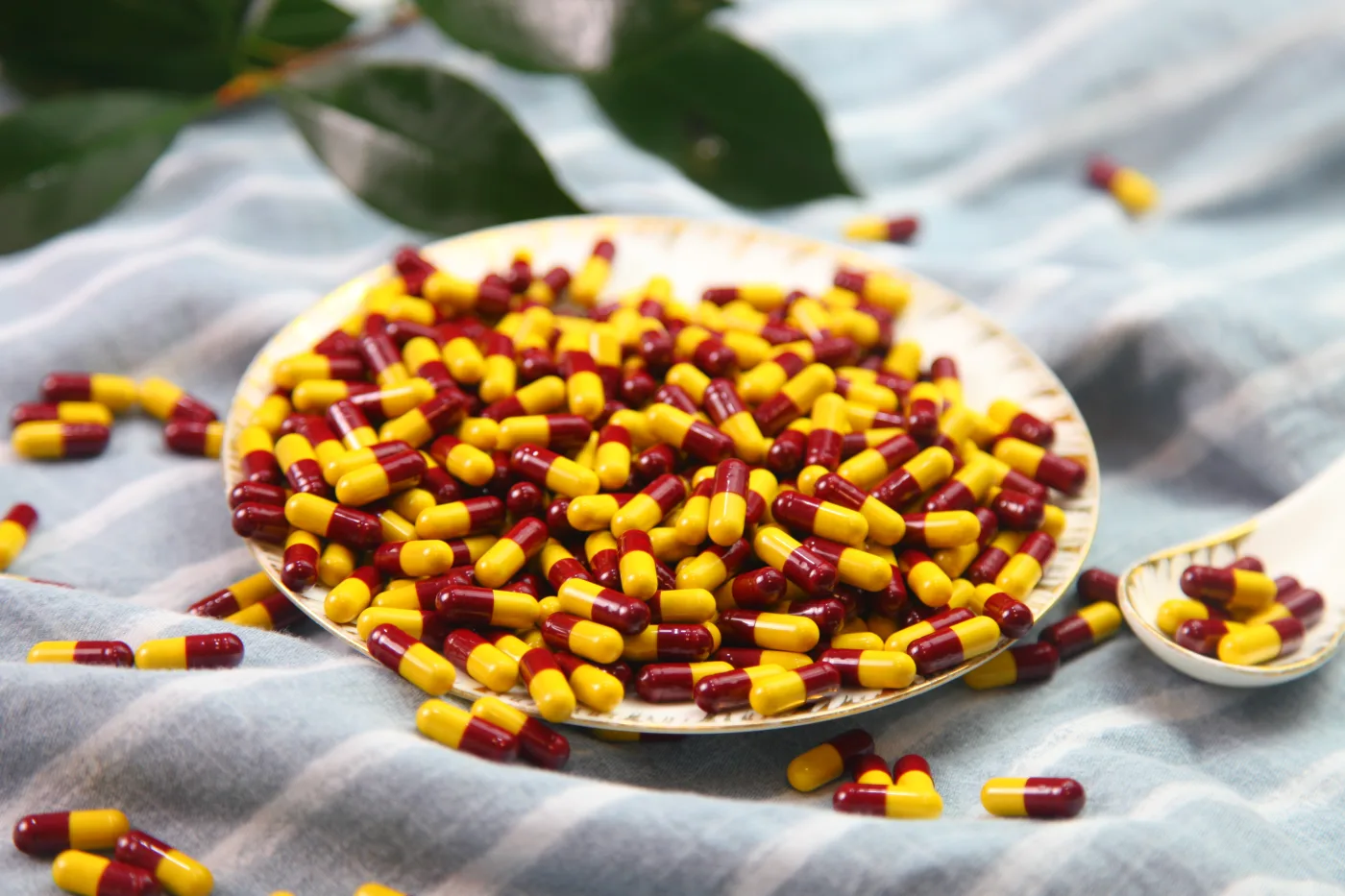
- Hard capsules (400–500 mg) → 40–50% is the industry workhorse range.
- Tablets → 30–50% compresses well; carriers aid binding.
- Premium concentrated capsules → 60–70% for "high-potency" positioning.
- Instant drinks / feed premixes → 30–40% disperses easily and keeps cost controlled.
What to check on the COA
- Propolis content (the grade you ordered)
- Flavonoid content as an activity indicator
- Heavy-metal screening results (lead in particular) against your market's limits
- Moisture and carrier identity
Supply notes
Standard grades (30/40/50/60/70%) are usually in or near production; non-standard ratios are made on request with longer lead time. Powder stores 24 months sealed — buy on a schedule rather than over-stocking.
We produce both water-soluble and alcohol-soluble powder across all five standard grades. Ask for side-by-side samples to compare flow and taste in your own line.